
About epilepsy
Understanding the disorder
Epilepsy is one of the most common serious neurological disorders in the world, and one of the most misunderstood. Here is what it actually is.
What is epilepsy?
The brain works through electrical signals passing between nerve cells. In a seizure, a burst of abnormal electrical activity briefly disrupts that signalling. What that looks like from the outside depends entirely on which part of the brain is involved — which is why seizures vary so enormously from person to person.
Epilepsy is diagnosed when someone has a tendency to have repeated seizures that are not caused by an immediate, reversible trigger. A single seizure is not epilepsy. Seizures brought on by a very high fever, a head injury at the time, or extremely low blood sugar are also not, in themselves, epilepsy.
Epilepsy is not a mental illness, it is not contagious, and it is not a punishment or a curse. It is a physical disorder of the brain, and for most people it is treatable.
Types of seizure
Seizures are grouped by where in the brain they begin. The distinction matters because it guides which treatment is likely to work.
Focal seizures — beginning in one area
The person may stay fully aware, experiencing an odd sensation: a rising feeling in the stomach, a strange smell or taste, a sudden and intense sense that what is happening has happened before (déjà vu), tingling, or a twitch in one limb. Awareness may also be affected, in which case they may stare, wander, fiddle with clothing, or make repeated chewing or swallowing movements without being able to respond. Afterwards they will often remember nothing of it.
Generalised seizures — involving both sides at once
Tonic-clonic seizures are the type most people picture: the body stiffens, the person falls, and the limbs jerk rhythmically. Breathing may become laboured and the lips can look blue. These usually stop within one to three minutes.
Absence seizures are brief lapses lasting only seconds — a blank pause, sometimes with fluttering eyelids. They are easily mistaken for daydreaming, and in children are often first noticed as inattention at school.
Myoclonic seizures are sudden brief jerks, often of the arms, frequently soon after waking.
Tonic seizures involve a sudden stiffening, while atonic seizures involve a sudden loss of muscle tone. Because this often causes falls, they carry a real risk of injury.
Common triggers
Triggers vary between individuals, and many people have none they can identify. Where patterns do exist, the most commonly reported are:
- Missed or late medication — by a wide margin the most common trigger of all.
- Lack of sleep, or a badly disrupted sleep pattern.
- Alcohol, particularly withdrawal the following day, and recreational drugs.
- Significant stress.
- Illness, especially with a high fever.
- Hormonal changes around the menstrual cycle.
Flashing or flickering light is a genuine trigger, but only for a minority — around three in every hundred people with epilepsy are photosensitive. It is far less common than public perception suggests.
Keeping a seizure diary is the most reliable way to find your own pattern. Download My Epilepsy Diary (PDF) and record every seizure, what came before it, and how you felt afterwards.
How epilepsy is diagnosed
There is no single test that confirms epilepsy. Diagnosis rests mostly on a careful description of what happened, which is why an account from someone who witnessed the seizure is so valuable — the person having it usually cannot describe it themselves.
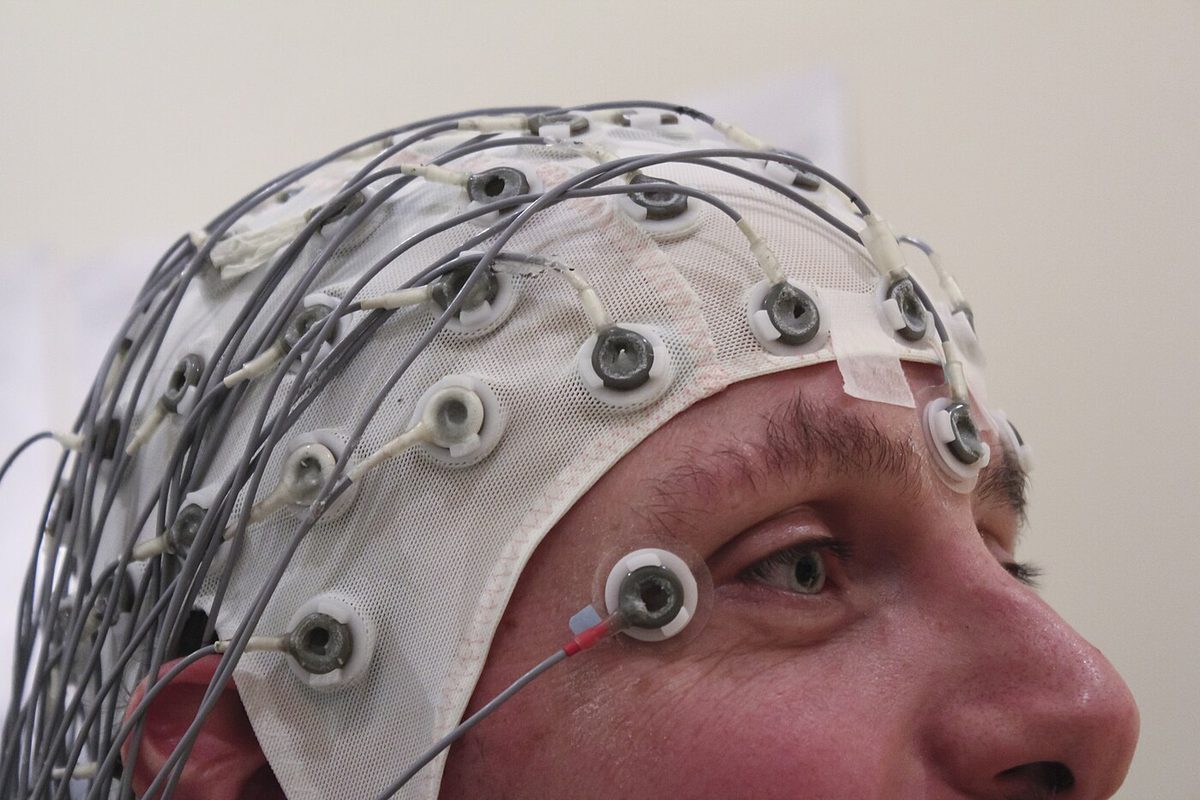
A doctor will typically take a detailed history, then may arrange an EEG (electroencephalogram) — painless, and it only listens to the brain's activity; nothing delivers electricity to you — to record electrical activity in the brain, and brain imaging such as an MRI (magnetic resonance imaging) or CT (computed tomography) scan to look for an underlying cause. Blood tests may be used to rule out other explanations. A normal EEG does not rule out epilepsy, and an abnormal one does not by itself confirm it.
Before any appointment, write down everything you can: what happened immediately before, what the person did, how long it lasted, and how they were afterwards. Video taken on a phone, if it can be captured safely and with dignity, is often extremely helpful.
It is also useful to make a list of any questions you would like to ask the medical personnel. Appointments are short, and it is easy to leave with the one question you most wanted answered still unasked.
Treatment
Most people with epilepsy are treated with anti-seizure medication. The World Health Organization estimates that up to 70% of people with epilepsy could live seizure-free with appropriate treatment. Finding the right medication and the right dose can take time, and some trial and error is normal rather than a sign of failure.
Take medication exactly as prescribed and at consistent times. Never stop or change a dose without speaking to your doctor first — stopping abruptly can cause seizures that are more severe than the original ones. If side effects are a problem, that is a reason to talk to your doctor about alternatives, not a reason to stop.
Where medication does not achieve control, other options may be considered, including surgery in carefully selected cases, nerve stimulation, or specific dietary therapies used under medical supervision.
The treatment gap
The WHO estimates that close to 80% of people with epilepsy live in low- and middle-income countries, where many receive no treatment at all despite effective medication being inexpensive. Closing that gap in South Africa is a large part of why Epilepsy SA exists.
Living well with epilepsy Find support near you
Show references
- World Health Organization — Epilepsy fact sheet
- WHO Intersectoral Global Action Plan on epilepsy and other neurological disorders (2022)
This page awaits review by a clinician authorised by Epilepsy South Africa; until then it is general information drawn from the sources above.
General information only — it does not replace advice from a qualified healthcare professional who knows your history.